While “natural flavors” are generally recognized as safe, food safety advocates and health experts are raising alarms over the lack of transparency in food labeling. As companies use these lab-processed additives to make junk food appear healthier, students are left navigating a grocery store or gas station where “natural” is often just a marketing synonym for “processed.”
The usage of the term “natural flavors” makes products seem healthier than they really are. Students are more likely to buy a drink that says “natural” on the label. However in reality, these flavors are often made in the same way as artificial ones, acting more like a marketing trick than a health upgrade. This raises a big question for any student trying to eat: Are we sacrificing our health just for a label that sounds better?
When you look at the back of a Gatorade or a bag of chips, the term “natural flavors” probably doesn’t catch your eye. However, these are typically processed and are primarily used for flavoring purposes rather than for their nutritional value.
According to healthline.com, “Natural flavors can include a wide variety of chemicals, including enhancers, preservatives, and emulsifiers.”
Instead of being a whole food ingredient, these flavors are often the result of intense lab work where scientists extract the “essence” of a plant or animal to create a specific taste, using that food as the flavor’s base and adding multiple chemicals to create a specific taste.
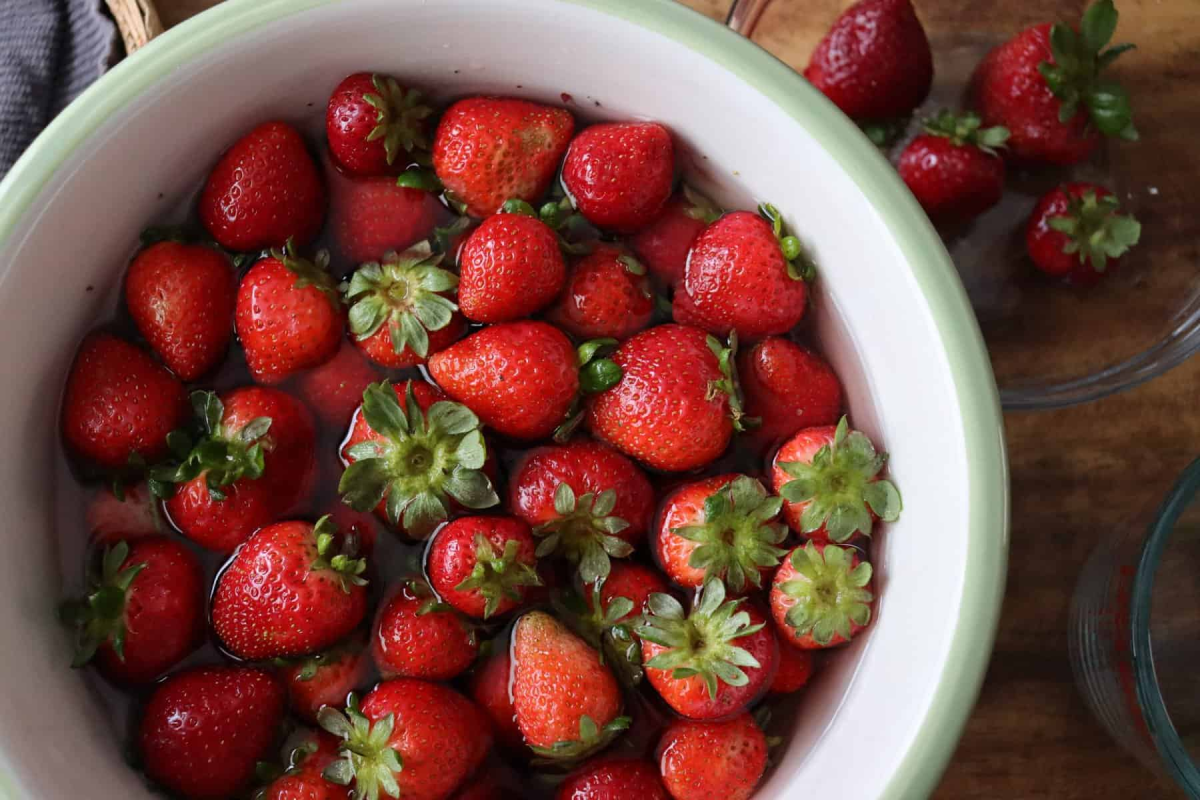
From a business perspective, using these flavors is about consistency and keeping costs low. Because real crops, like strawberries, can taste different depending on the season, scientists use “natural flavors” to ensure a snack tastes the same every time. While this helps the food industry, the conclusion is that labels prioritize a reliable taste over a health benefit.
To read labels more effectively, students should look at the order of the ingredients list. Ingredients are listed from highest to lowest amount. If “natural flavors” appear near the top, the product relies heavily on lab-made taste. On the other hand, if “natural flavors” is listed towards the end, it’s more likely to have a tiny portion of this ingredient, therefore making it better for your overall health.
Even though most high school students—or anyone— don’t want to hear this, if they truly want to eat healthier and more nutritious, the best strategy is to choose “whole foods.” This means picking items with only one ingredient, like an apple, an orange or a bag of raw almonds. By eating foods that don’t come in a box or a bottle, you can be sure to avoid consuming hidden chemical mixtures and processed foods.
This raises a big question for any student trying to eat right: Are we sacrificing our health just for a label that sounds better? While these ingredients aren’t necessarily a health disaster, they aren’t a health “upgrade” either. The most informative way to look at a label is to remember that the word “natural” describes where the flavor started, not how healthy it ended up being.