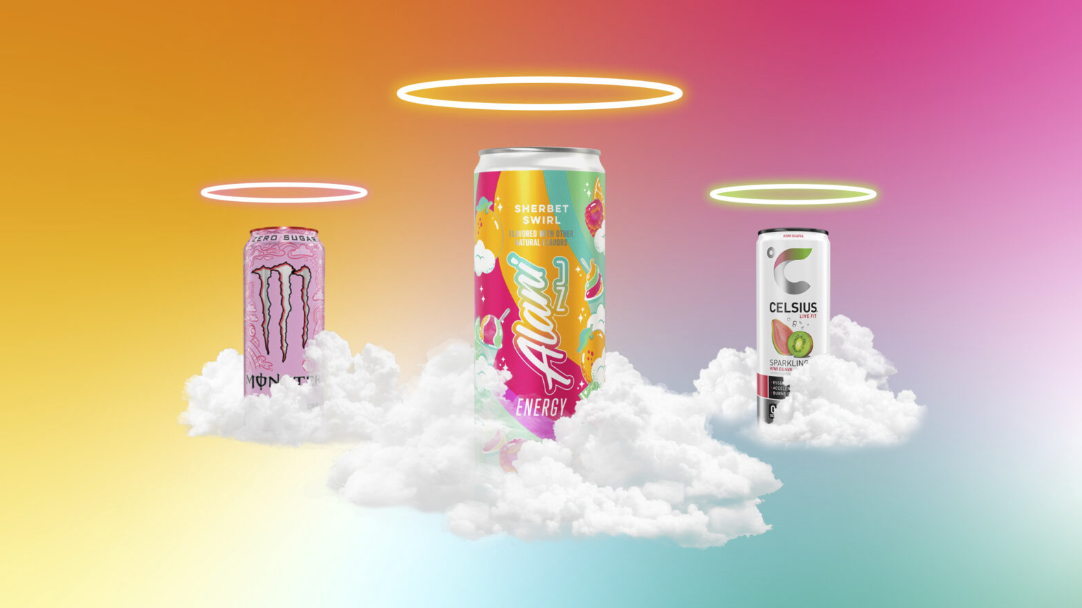
When Granite Bay High School sophomore and energy drink consumer Mia Abalos was asked how much caffeine is in one Alani energy drink, she guessed “maybe 80 (milligrams).” The real amount is 200 milligrams–double the daily limit experts recommend for teenagers.
Energy drinks have become very normalized nowadays and a constant in students’ routines, especially when they are trying to get through a long school day. While one can per day may seem harmless, many popular drinks have way more milligrams of caffeine than recommended for teens. There is no “safe amount” of caffeine for teens to consume, but the American Academy of Child and Adolescent Psychiatry recommends no more than 100 milligrams a day for teenagers from 12 to 18 years of age.
This widespread issue with the overconsumption of energy drinks is getting a lot more press attention after a 17-year-old, Larissa Rodriguez, in Weslaco, Texas, died from complications arising from Alani. It has raised a lot of awareness about caffeine and reading labels carefully. Rodriguez was a very active high school cheerleader, tennis player, student council president and senior who had been accepted into multiple colleges before her untimely death in October 2025. Her family is suing Alani Nu, saying that her death was connected to excessive caffeine amounts in Alani Nu energy drinks.
According to NBC News, Benny Agosto Jr., the family attorney, is helping the Rodriguez family sue Alani Nu because Larissa Rodriguez’s cause of death was determined to be “an enlarged heart due to stress and large amounts of caffeine.” The family is also stating that the warning label wasn’t big enough to gain their full attention and did not explain all possible risks for teens.
In court, the death has not been proven as caused solely by Alani, but the case has made more people aware of the dangers of energy drinks. Rodriguez’s story shows how important it is to know everything you put in your body.
While some students just drink caffeine to follow a TikTok trend, some drink it because of a real need to stay up and finish homework.
“I usually have to stay up late to do homework, so I usually drink them because I’m tired and it helps to wake me up,” Iris Taylor, a junior at GBHS, said.
Taylor said that she usually drinks an Alani, Celsius or Redbull during the day to stay awake. She said she does not drink them after sports, but will have one at night to stay awake long enough to study for a hard test.
“If I get back from practice late at night and I have a test to study for or something really important, I might drink one,” Taylor said.
Abalos also says she only drinks one energy drink a day. Her favorite one is an Alani, but she reaches for it because she is tired, not because of social or peer pressure.
Even though both students say that they drink in moderation and only when tired, the CDC says that energy drinks contain way more caffeine than people realize, as well as other bad ingredients that can lead to insomnia, heart problems, anxiety and dehydration.
Beyond just caffeine, energy drinks have other additives and stimulants that negatively affect the body. According to the CDC, some additives include, but are not limited to, guarana, taurine and L-carnitine. These are meant to increase alertness, but on the other hand, they also raise your heart rate, blood pressure and breathing. The National Center for Complementary and Integrative Health states that other common ingredients in energy drinks include ginseng, B vitamins, glucuronalactone, yohimbe, bitter orange and carnitine. Because people are drinking more energy drinks as well as the ingredients in them, ER visits related to energy drinks have doubled in the four years from 2007 to 2011.
Taylor and Abalos both admit that they have felt some adverse effects of energy drinks, such as anxiety.
Another problem with energy drinks is the way they are marketed. They are brightly colored, fruit-flavored and worded with healthy language. Some drinks may say “low calorie,” “no sugar added” or “natural flavors” to appeal to younger audiences who believe this is good for them. All of this leads them to appear healthier than they actually are. This can convince some people that Alani or Celsius is healthier than a Redbull or Monster, which is not true.
“Sometimes it can look healthy but actually not be like Celsius,” Taylor said. “They kind of look healthy, and they’re branded to look like that, but they’re actually one of the more unhealthy ones.”
For many tired and overworked high schoolers, energy drinks are not always seen as dangerous. Instead, they are seen as just a way to get through the day, without considering the serious repercussions. Because of this, it is always important to read labels to know what you are putting into your body.
“I just drink them because it’s nice to feel energized,” Taylor said.